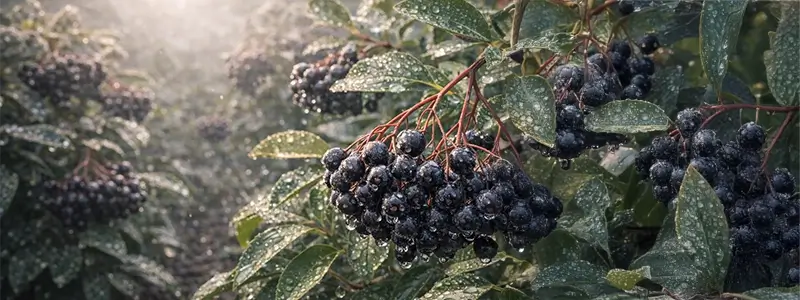
Black chokeberry has attracted scientific interest due to its deep purple, almost black pigmentation that arises from dense contents of phenolic phytochemicals, especially anthocyanins. The plant produces these pigments mainly in the skin of the berries to protect the pulp and seeds from constant exposure to UV radiation. Chokeberries? high anthocyanin content may be beneficial as a dietary preventative for reducing the risk of diseases caused by oxidative stress. Additional benefits of chokeberry anthocyanins include colorectal cancer, cardiovascular disease, chronic inflammation gastric mucosal disorders (peptic ulcer), eye inflammation (uveitis) and liver failure.
Aronia is a bush native to North America that has been successfully exported to Eastern Europe and is commercially grown in Denmark, Poland, Russia and elsewhere. Native Americans used Aronia berries for medicinal purposes for a long time.
Chokeberries were used traditionally by Native Americans for the common cold. Chokeberry is also used to reduce cholesterol levels and to reduce blood pressure. Chokeberry is used for diabetes, feeling cold, bladder infections, breast cancer, arthritis, obesity and fat reduction, and infertility in men. Chokeberry is also used to reduce levels of the mineral cadmium in the blood and to improve eye health in people with age-related macular degeneration.